
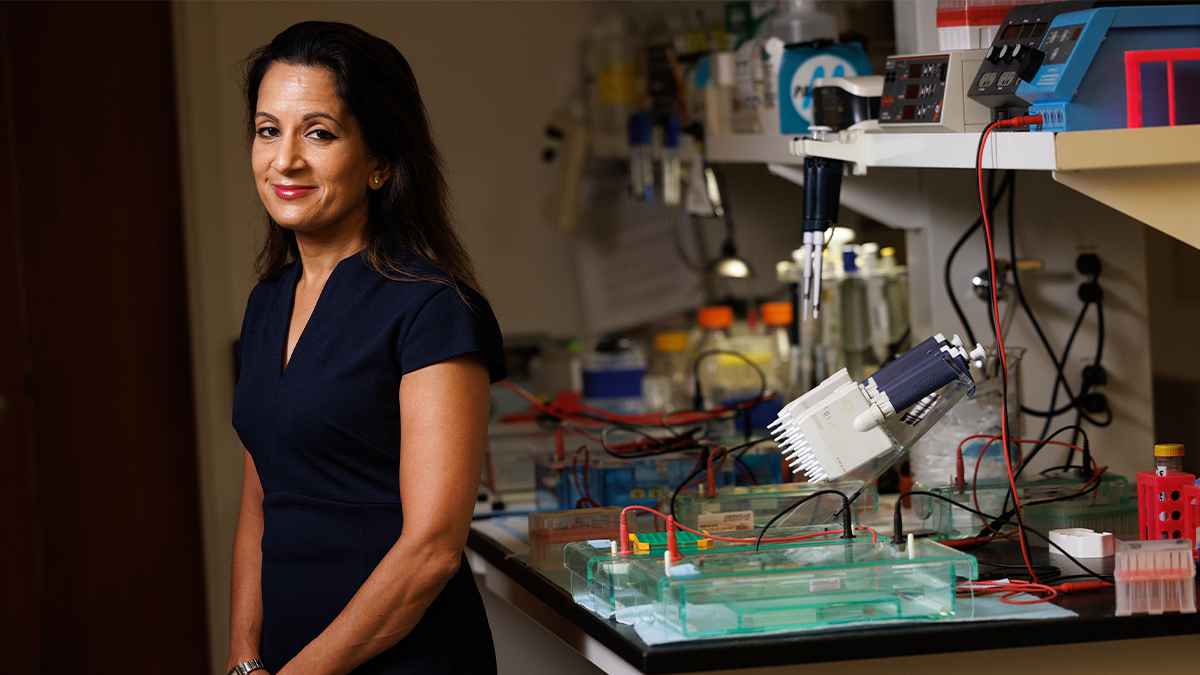
The next frontier of heart care
Duke is building the tools to catch heart disease before patients know they have it.

Rishi Kamaleswaran among Duke leaders named as inaugural Fellows of ACTS
The Association for Clinical and Translational Science (ACTS) is a non-profit membership association of translational scientists from the nation’s leading academic medical centers.

Fueling Better Outcomes in Heart Failure
What if heart disease isn't just about weak muscles but the wrong fuel? New research exploring ketones asks whether changing how the heart burns energy could transform future treatment.
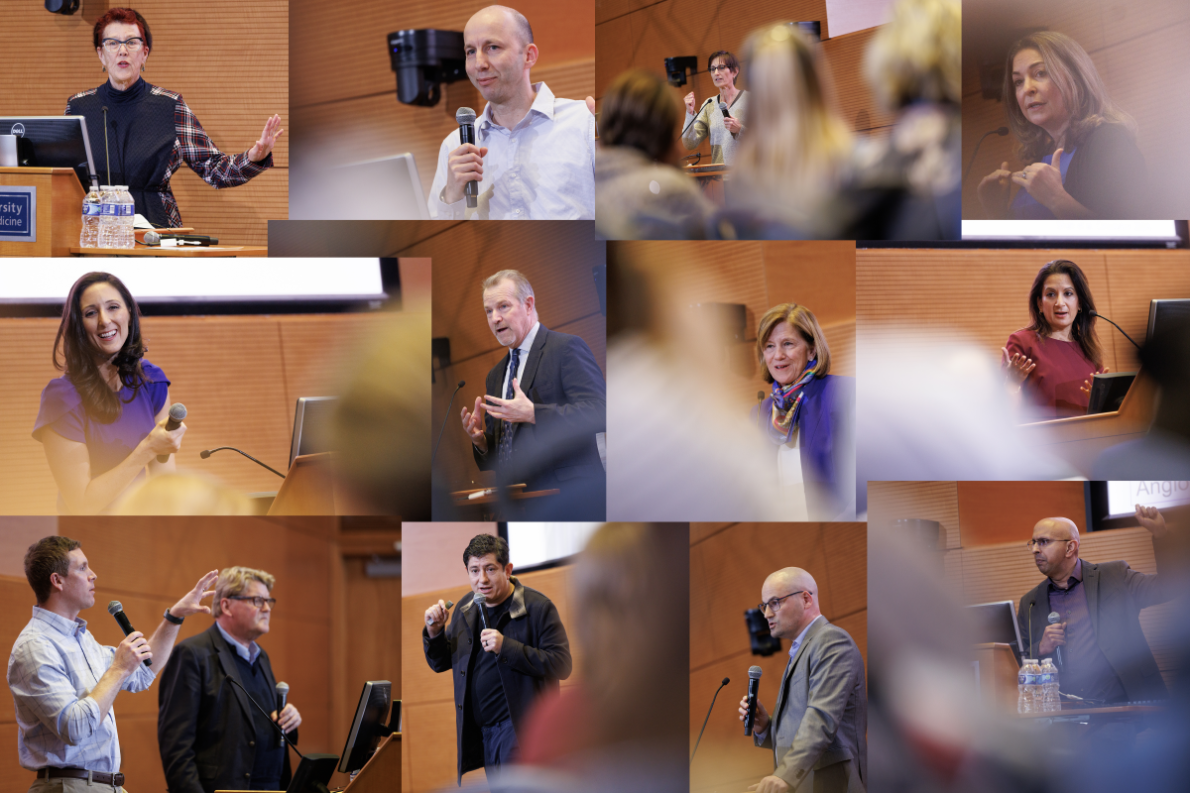
Symposium highlights research on metabolism and health
This year’s symposium, “Metabolism and Health Across the Lifespan,” highlighted Duke research that informs efforts to extend and enhance both longevity and late-life health. Duke scientists addressed topics ranging from how to measure the pace of aging to how to train fat tissue, from neurodegeneration to the mechanisms that drive GLP-1 drugs.

Stronger Than Rare: Battling Adversity, Fueling Genetic Discovery
Life constantly throws twists and turns at us. These adversities, big and small, challenge us in new ways and force us to decide who we want to be: the person who gives up and walks away or the person who faces that adversity head on and figures out how to fight through it.
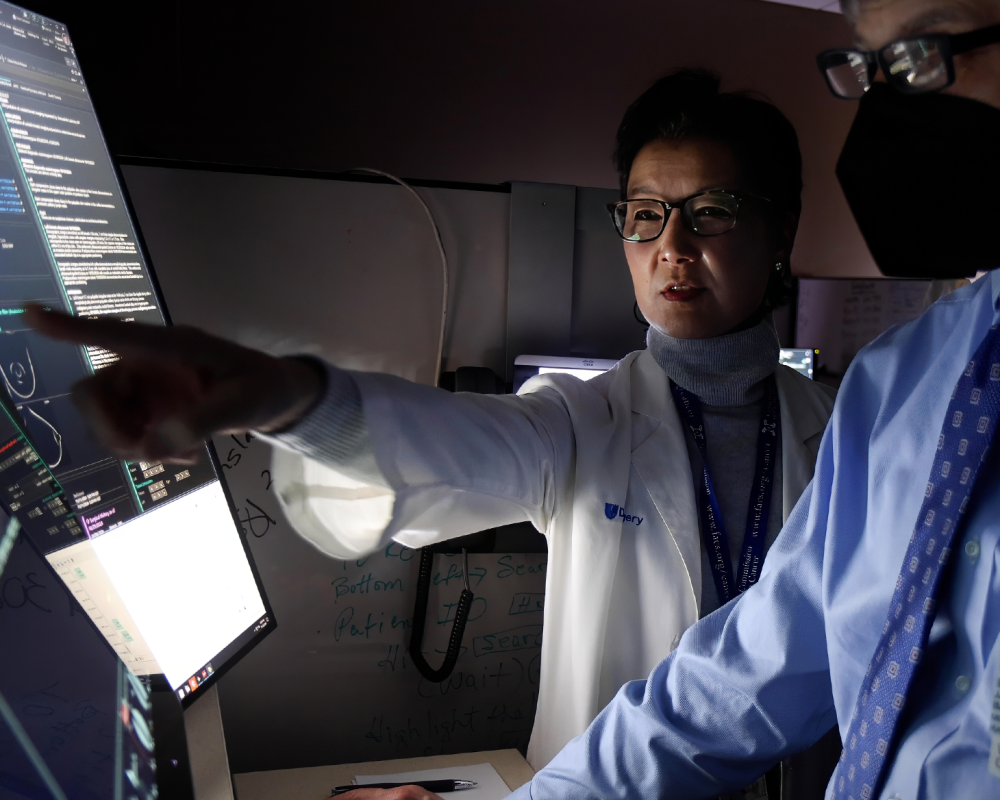
Why Everyone Should Care About Women’s Health
Shelley Hwang was a panelist on the Time100 Leadership Forum. She discussed issues like rollbacks to the Affordable Care Act, women's health and more. Dr. Hwang is on the Time100 Health 2025 list.

From Data to Decisions: A Model for Returning Individual Results to Research Participants
Returning results to clinical study participants has not historically been the norm, but the paradigm is shifting, with return of results becoming not only a scientific responsibility but also an ethical imperative.

Hwang named on the TIME100 Health 2025 List for Cancer Innovators
Contribution: Surgical oncologist at Duke Cancer Institute, advocating for less invasive treatments for early-stage breast cancer, challenging traditional approaches to surgery and radiation.